
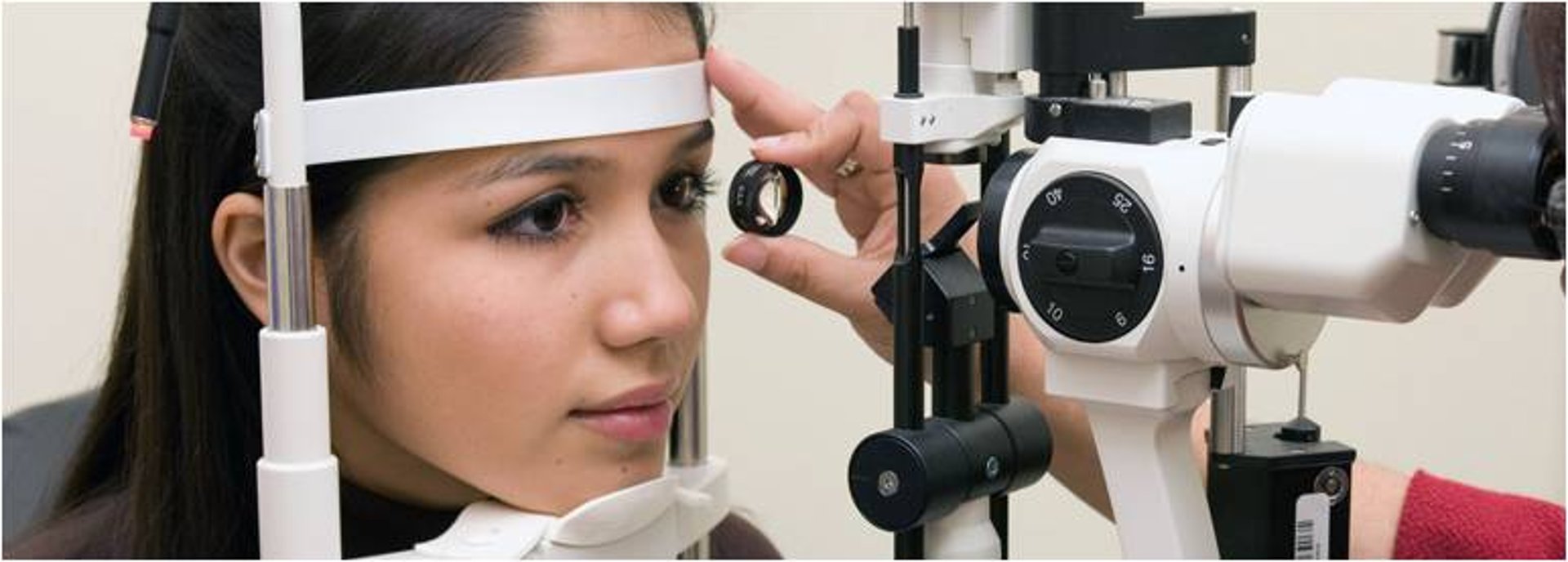
Clarity from Within: The Premium Lens Solution for High Prescriptions
What is ICL Eye Surgery ?
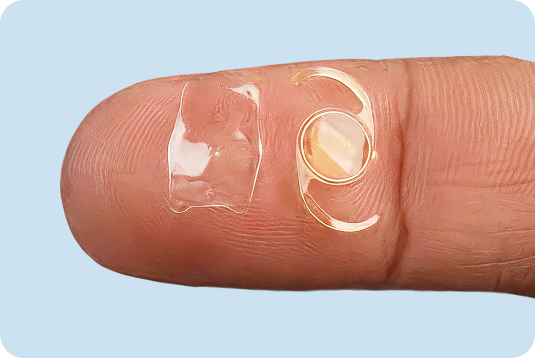
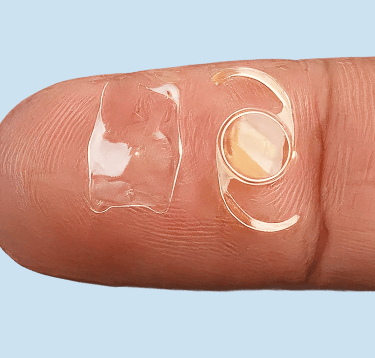
ICL (Implantable Collamer Lens) surgery is an advanced vision correction procedure in which a thin, biocompatible lens is placed inside the eye to correct moderate to severe myopia (short-sightedness), hyperopia (long-sightedness), and astigmatism.
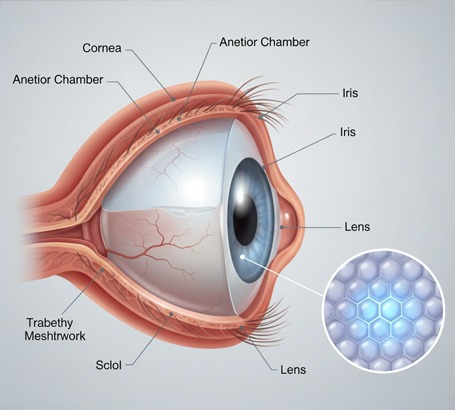
Unlike laser procedures such as LASIK or PRK, ICL does not remove corneal tissue. The lens is positioned behind the iris (the coloured part of the eye) and in front of your natural lens. Your natural lens remains in place.
ICL can be an excellent option for patients who are not suitable for corneal laser surgery, particularly those with thin corneas or very high prescriptions.
Who is Suitable For ICL
Are 21 Years Old


Have healthy eyes with no active infection or uncontrolled eye disease
Have moderate to Severe myopia, hyperopia, or astigmatism




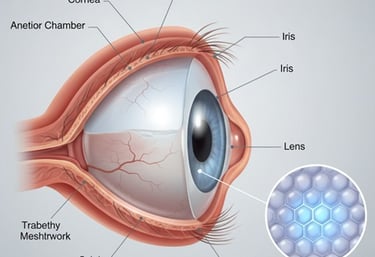
Have appropriate pupil size to reduce risk of glare or halos in low light
Understand the expected outcomes and limitations of the procedure
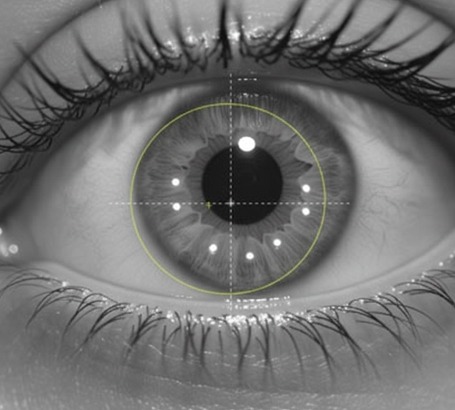
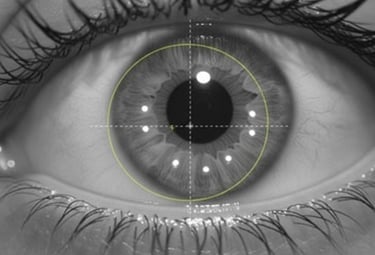
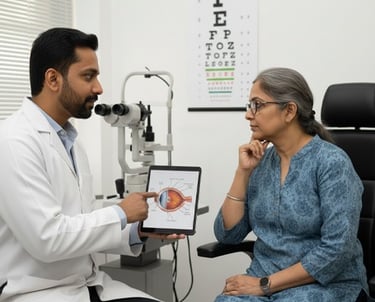
Have appropriate pupil size to reduce risk of glare or halos in low light
How the ICL Procedure Works
Pre-operative Assessment: Detailed measurements are taken to determine the correct lens size and power.
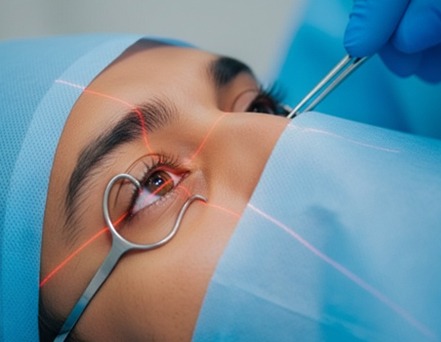
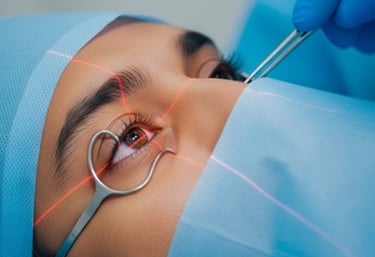
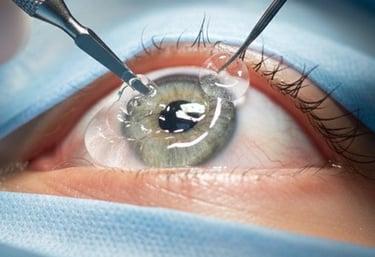
Anaesthesia: Numbing eye drops are applied. The procedure is painless.
Small corneal incision made; lubricant protects the cornea.


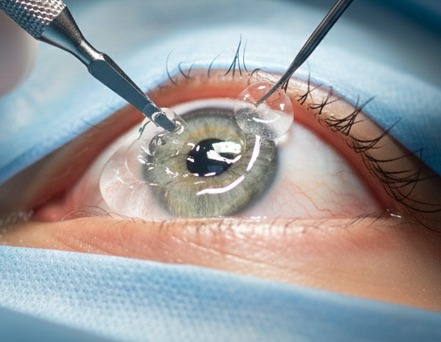
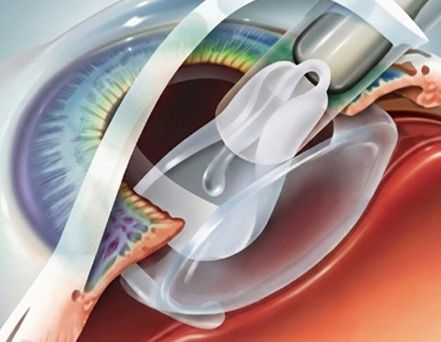
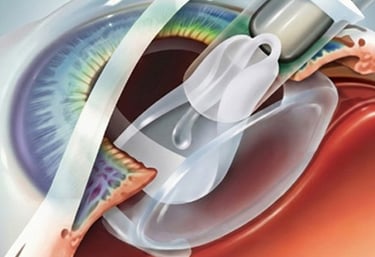
Positioning: The lens unfolds and is carefully
positioned behind the iris and in front of the natural lens. Proper alignment and vault (space between lenses) are confirmed.
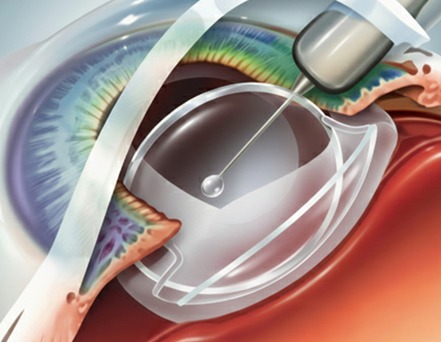
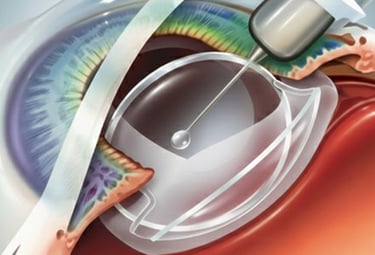
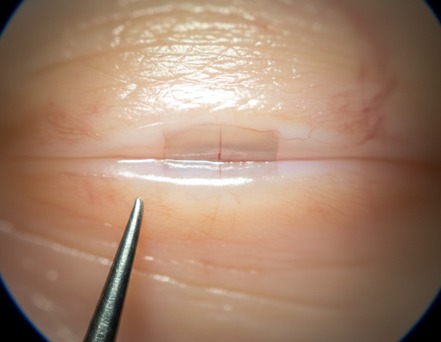
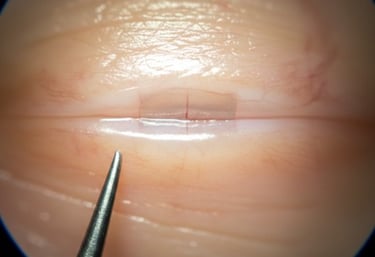
Lens Insertion: A tiny incision (approximately 2.8-3.0 mm) is made at the edge of the cornea. The folded ICL is gently inserted through a specialised injector cartridge.
Self-Sealing Incision: The small incision typically seals on its own without stitches.
Early vision improves within days; full stabilisation may take a few weeks.
Follow-up visits scheduled to monitor healing and visual outcomes.
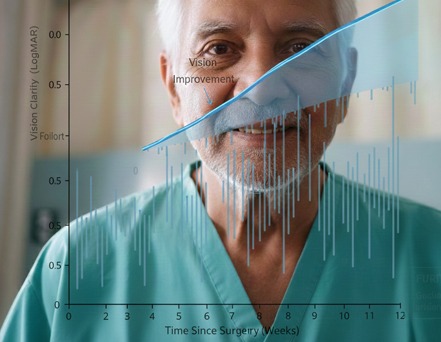

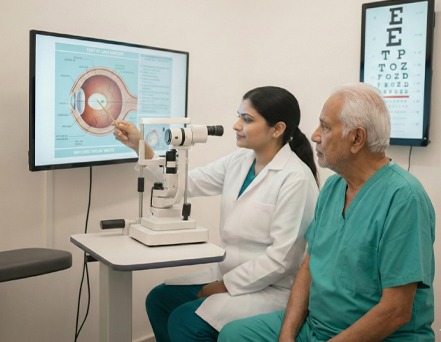
The procedure usually takes 15–20 minutes per eye and is performed as a day-case surgery.
Most patients notice improved vision within a few days, although complete visual stabilisation may take several weeks.
Get in Touch with Us
Have a query, need an appointment, or want more information? Fill out the form below and our team will reach out shortly.
Get in Touch with Us
Have questions about your eye health or want to book an appointment?
We’re here to help you with expert guidance and quick support.
Phone Number
+91 89296 30330, +91 81309 30330
Email Address
newvisioneyecentre@gmail.com
Opening Hours
Mon - Sat 10:00 AM - 7:00 PM
New Vision Eye Centre is a leading eye care clinic in Paschim Vihar, New Delhi, offering advanced vision correction and comprehensive eye treatment solutions. Led by Dr. Manik Mittal (AIIMS Qualified), the centre has successfully treated 75,000+ patients with precision, care, and modern technology.
We specialize in LASIK, Contoura Vision, Cataract Surgery, ICL, Glaucoma Treatment, and Complete Eye Checkups, ensuring personalized treatment for every patient.
Quick Links
newvisioneyecentre@gmail.com
011-49785858, 81309 30330
© 2026. All rights reserved.
Retina Care
Dry Eye Treatment
Computer Vision Syndrome Treatment
Our Services